What to do
Galicia calidade
A small guide with history, unique places, experiences, and flavors
A small guide with history, places,
unique experiences and flavors
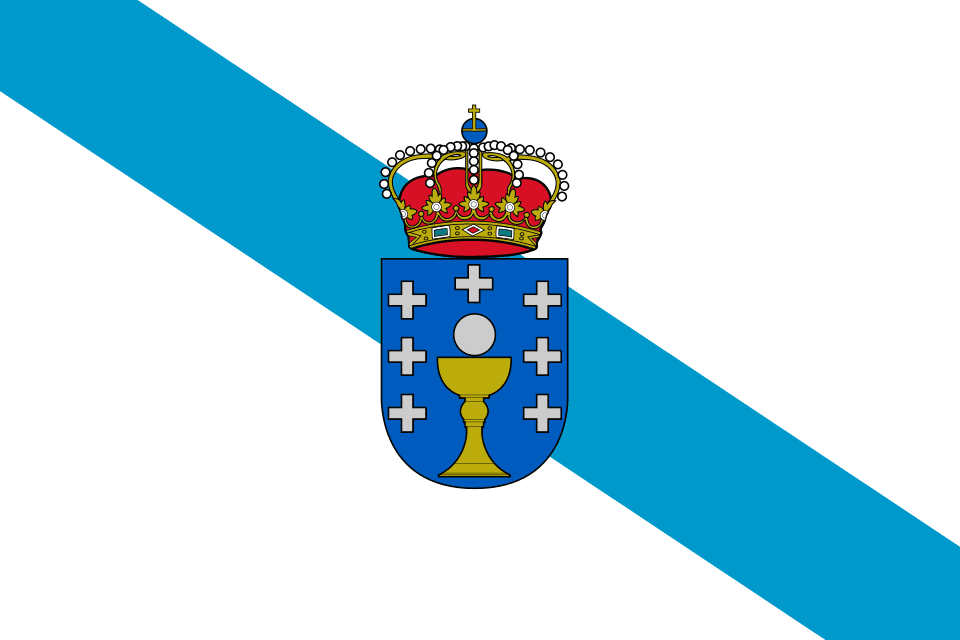
Flag of Galicia
We are so excited to have you in Galicia on one of the most important days for us. We know it's not easy to coordinate the trip in May, and that's why we would at least like to help you as best as possible with the planning.
Flag of Galicia
We are so excited to have you in Galicia on one of the most important days for us. We know it's not easy to coordinate the trip in May, and that's why we would at least like to help you as best as possible with the planning.
We are so thrilled to have you in Galicia on one of the most important days for us. We know it’s not easy to coordinate travel in May, and that’s why we would at least like to help you as much as possible with the planning.
Most of you will come just for the wedding days, and others have informed us that you will take advantage to stay a few more days and explore Galicia. This is the idea of this little guide, which is not only a guide, but also gives you all the necessary information regarding essentials, such as supermarkets, but also, among other things, culinary recommendations, events, taxi stands (or app to use), and where the nearest health centers/hospitals are. All of this is to make you feel as supported as possible. Obviously, if you have any questions, please do not hesitate to ask us.
Before diving into the various topics, I would like to give you some general information about what Galicia is. Many of you may have heard about this land for various reasons: the Camino de Santiago, the Celta de Vigo football team (without a doubt the best in Galicia :)), its cuisine, Albariño wine, the weather (although in the Rías Baixas it rains much less than in the north ;P), its beaches, the Cíes Islands, and much more. Yes, also for the "fariña" but I will not delve into this subject, to avoid having my page censored. Back to the guide… Anyway, have you ever heard about its history?
Most of you will come only for the wedding days, and others have already informed us that you will take the opportunity to stay a few more days and discover Galicia. This is the idea behind this small guide, which is not only a guide, but also gives you all the necessary information regarding essentials, such as supermarkets, but also, among other things, culinary recommendations, events, taxi stands (or app to use), and where the nearest health centers/hospitals are. All of this is to make sure you feel as comfortable as possible. Obviously, in case of any doubt, please do not hesitate to ask us.
Before getting into the various topics, I would like to give you some general information about what Galicia is. Many of you may have heard about these lands for various reasons: the Camino de Santiago, the Celta de Vigo football team (undoubtedly the best in Galicia :)), its gastronomy, Albariño wine, the weather (although in the Rías Baixas it rains much less than in the north ;P), its beaches, the Cíes Islands, and much more. Yes, also for the "fariña" but I am not going to delve into this topic, to avoid getting the page censored. Back to the guide... In any case, have you ever heard of the history?
Map & History
of Galicia
Places and Activities
Gastronomy
Practical Information
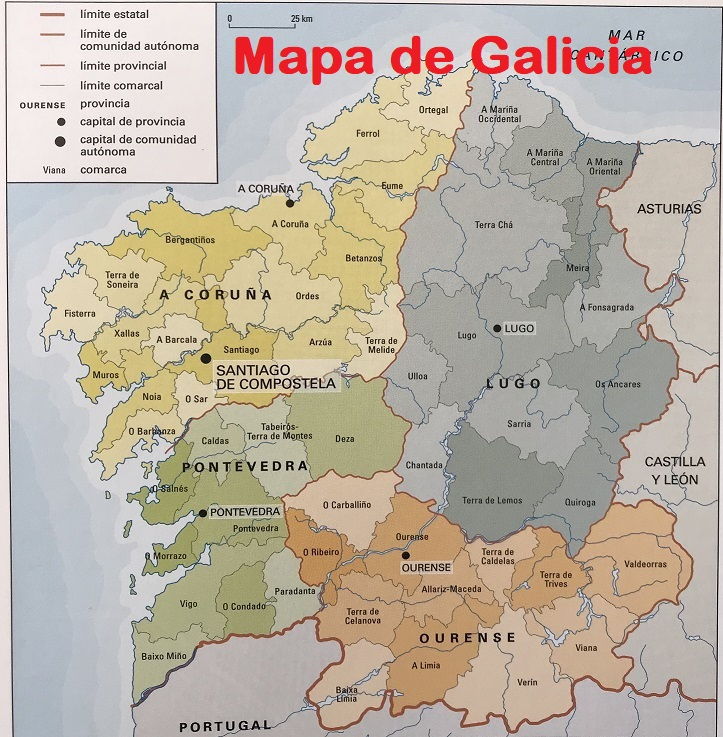
Galicia, as an autonomous community, is made up of four provinces: Pontevedra, A Coruña, Lugo, and Ourense.
The capital of Galicia is Santiago de Compostela, although it is not the largest city — that title is shared by Vigo and A Coruña.
It has the Cantabrian Sea to the north and the Atlantic Ocean to the west. It borders Asturias and Castilla y León to the east, and Portugal to the south.
With close to 2.73 million inhabitants (data from January 2026) spread out over about 29,574 km², Galicia is roughly the size of Belgium, but with considerably fewer people.
The most populous province is A Coruña (~1.14 million), followed by Pontevedra (~948,000), while Lugo (~326,000) and Ourense (~305,000) have a much lower density and distinctly rural character.
Galicia boasts more than 1,600 km of coastline — it is the autonomous community with the longest shoreline in all of Spain. This coast, indented by the famous rías, is one of the richest fishing areas in Europe.
Unlike other Spanish regions, Galicia does not have a large dominant metropolis. Its urban network is spread among seven main cities: the four provincial capitals (A Coruña, Pontevedra, Lugo, and Ourense), the political capital (Santiago de Compostela), and the industrial cities of Vigo and Ferrol.
map and history of Galicia
Now then, I'll leave you with a brief summary of the story:
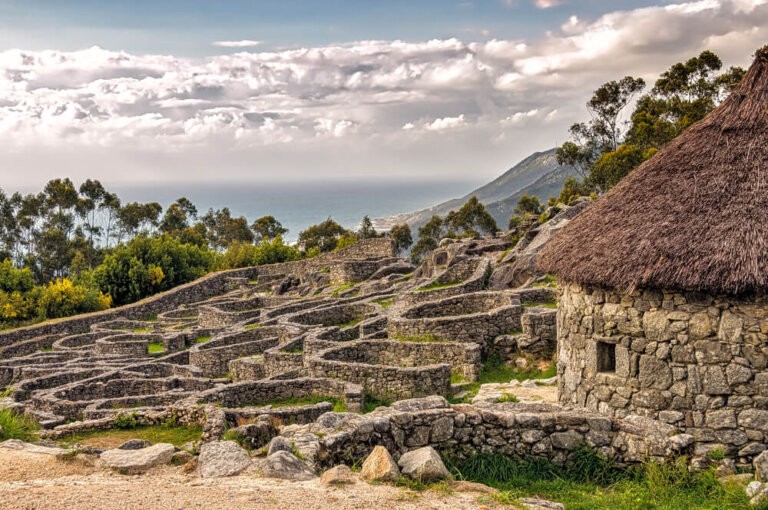
It all began with the Celts. A pagan people who arrived here from Central Europe (present-day Austria, Switzerland, south of Germany) around the year 800 BC (Iron Age). They settled on the hills and built castros - stone fortified settlements that can still be seen. In fact, one of the most important is on Mount Santa Trega, in A Guarda - very close to where we will celebrate the wedding. The Celts are the first documented inhabitants of this region and probably the ancestors of those of us who live here today. (Fun fact: the Vikings also came through here, but they only came to raid, they generally didn't settle... though some might have stayed).
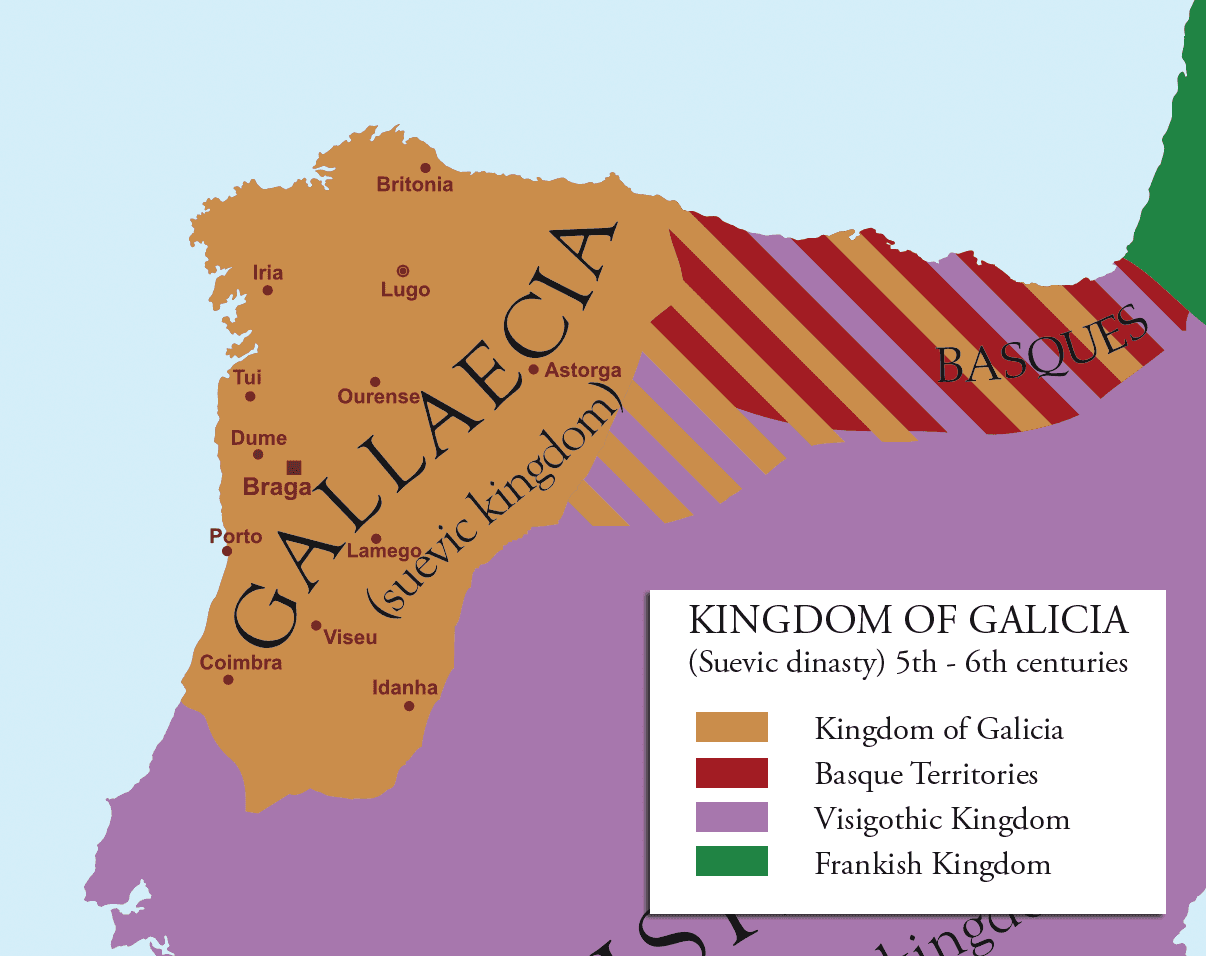
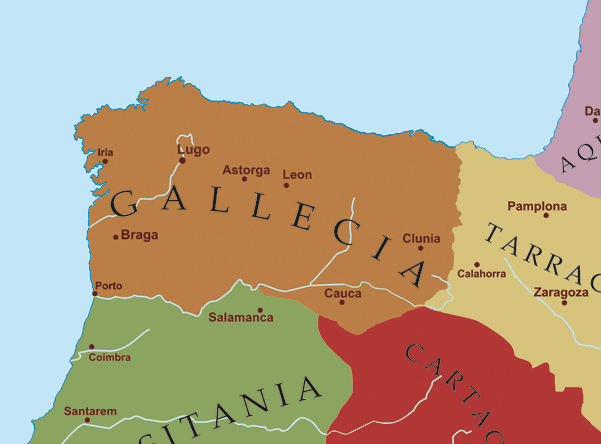
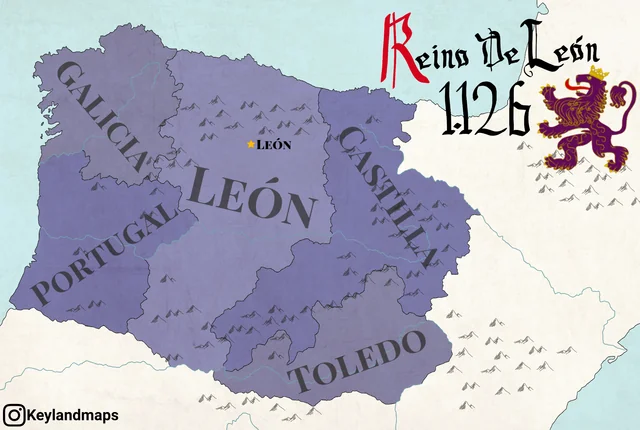
Much later, around the 1st century BC, the Romans came through here, conquering the region and calling it Gallaecia - which gives it the name it has today. When the Roman Empire fell, the Suevi (a Germanic people) also passed through, founding the Kingdom of Galicia in the 5th century - one of the first Christian kingdoms in Europe. The kingdom was reconquered by the Visigoths and absorbed by the Kingdom of León.
Now comes the part that explains the connection between Galicia and Portugal. Galician and Portuguese come from the same language: Galician-Portuguese, which was spoken throughout this region in the Middle Ages and was the language of medieval poetry. As you know, the Arabs were throughout Spain for almost 800 years, including this region. During the Reconquista, in 1096, a French nobleman (mercenary) helped the King of León and Galicia to reconquer northern Portugal (the area between the Miño River and the Duero River, today known for Vinho Verde). As a reward, he was given those lands and married the king's daughter - becoming a count and vassal.
In 1139, the son of that count rebelled against the king and proclaimed the Kingdom of Portugal independent. From there, Portugal continued conquering Muslim territories to the south for over a century, until reaching the Algarve in 1249 - which is why it has that elongated shape. The Galician and Portuguese languages began to separate, although today they are still very close - and generally, we understand each other without a problem.
Galicia remained linked to the Crown of León and Castilla. In the 15th century, the Catholic Monarchs annulled its political power. After centuries of centralism and division into provinces (1833), it regained its self-government in 1981 as an Autonomous Community within Spain.
Galicia became truly known thanks to Santiago de Compostela, which made it a pilgrimage destination since the 9th century. The Camino de Santiago connected Europe with Galicia.
And that's it... now you know the basics to stand out in the next conversation about Galicia.
Map & History
of Galicia
Places and Activities
Gastronomy
Practical Information
Galicia, as an autonomous community, is made up of four provinces: Pontevedra, A Coruña, Lugo, and Ourense.
The capital of Galicia is Santiago de Compostela, although it is not the largest city — that title is shared by Vigo and A Coruña. It has the Cantabrian Sea to the north and the Atlantic Ocean to the west. It borders Asturias and Castile and León to the east, and Portugal to the south. With nearly 2.73 million inhabitants (data from January 2026) distributed over approximately 29,574 km², Galicia is roughly the size of Belgium but with considerably fewer people. The most populous province is A Coruña (~1.14 million), followed by Pontevedra (~948,000), while Lugo (~326,000) and Ourense (~305,000) have a much lower density and a distinctly rural character.
Galicia boasts more than 1,600 km of coastline — it is the autonomous community with the longest coastline in all of Spain. This coast, indented by the famous rías, is one of the richest fishing areas in Europe.
Unlike other Spanish regions, Galicia does not have a dominant metropolis. Its urban network is spread across seven main cities: the four provincial capitals (A Coruña, Pontevedra, Lugo, and Ourense), the political capital (Santiago de Compostela), and the industrial cities of Vigo and Ferrol.
Now then, here is a brief summary of the history:
It all started with the Celts. A pagan people who arrived here from Central Europe (present-day Austria, Switzerland, southern Germany) around 800 BC (Iron Age). They settled on the hills and built castros - fortified stone villages that can still be seen. In fact, one of the most important is on Mount Santa Trega, in A Guarda - very close to where we will celebrate the wedding. The Celts are the first documented inhabitants of this region and probably the ancestors of those of us living here today. (Fun fact: the Vikings also came through here, but they only came to plunder, they generally didn’t settle... although some may have remained).
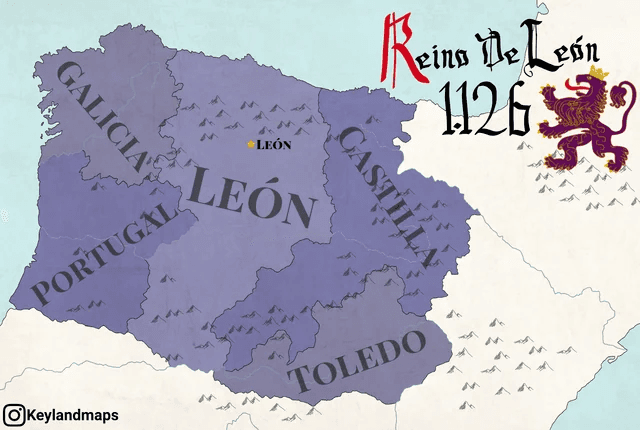
Much later, around the 1st century BC, the Romans passed through here, conquering the region and calling it Gallaecia - which gives the name it has today. When the Roman Empire fell, the Suevi (a Germanic people) also arrived, founding the Kingdom of Galicia in the 5th century - one of the first Christian kingdoms in Europe. The kingdom was reconquered by the Visigoths and absorbed by the Kingdom of León.
Now comes the part explaining the connection between Galicia and Portugal. Galician and Portuguese come from the same language: Galician-Portuguese, which was spoken throughout this region in the Middle Ages and was the language of medieval poetry. As you know, the Arabs were throughout Spain for almost 800 years, also in this region. During the Reconquest, in 1096, a French nobleman (a mercenary) helped the King of León and Galicia to reconquer the north of Portugal (the area between the Miño River and the Douro River, today known for Vinho Verde). As a reward, he was given those lands and was married to the king’s daughter - making him a count and vassal.
In 1139, the son of that count rebelled against the king and proclaimed the Kingdom of Portugal independent. From then on, Portugal continued conquering Muslim territories to the south for more than a century, reaching the Algarve in 1249 - which is why it has that elongated shape. The Galician and Portuguese languages began to separate, although today they are still very close - and generally we understand each other without difficulty.
Galicia remained linked to the Crown of León and Castile. In the 15th century, the Catholic Monarchs annulled its political power. After centuries of centralism and the division into provinces (1833), it regained self-government in 1981 as an Autonomous Community within Spain.
Galicia became well-known thanks to Santiago de Compostela, making it a pilgrimage destination since the 9th century. The Way of St. James connected Europe with Galicia.
And that's it... you now know the basics to stand out in the next conversation about Galicia.
map and history of Galicia
[Select the section that interests you most]
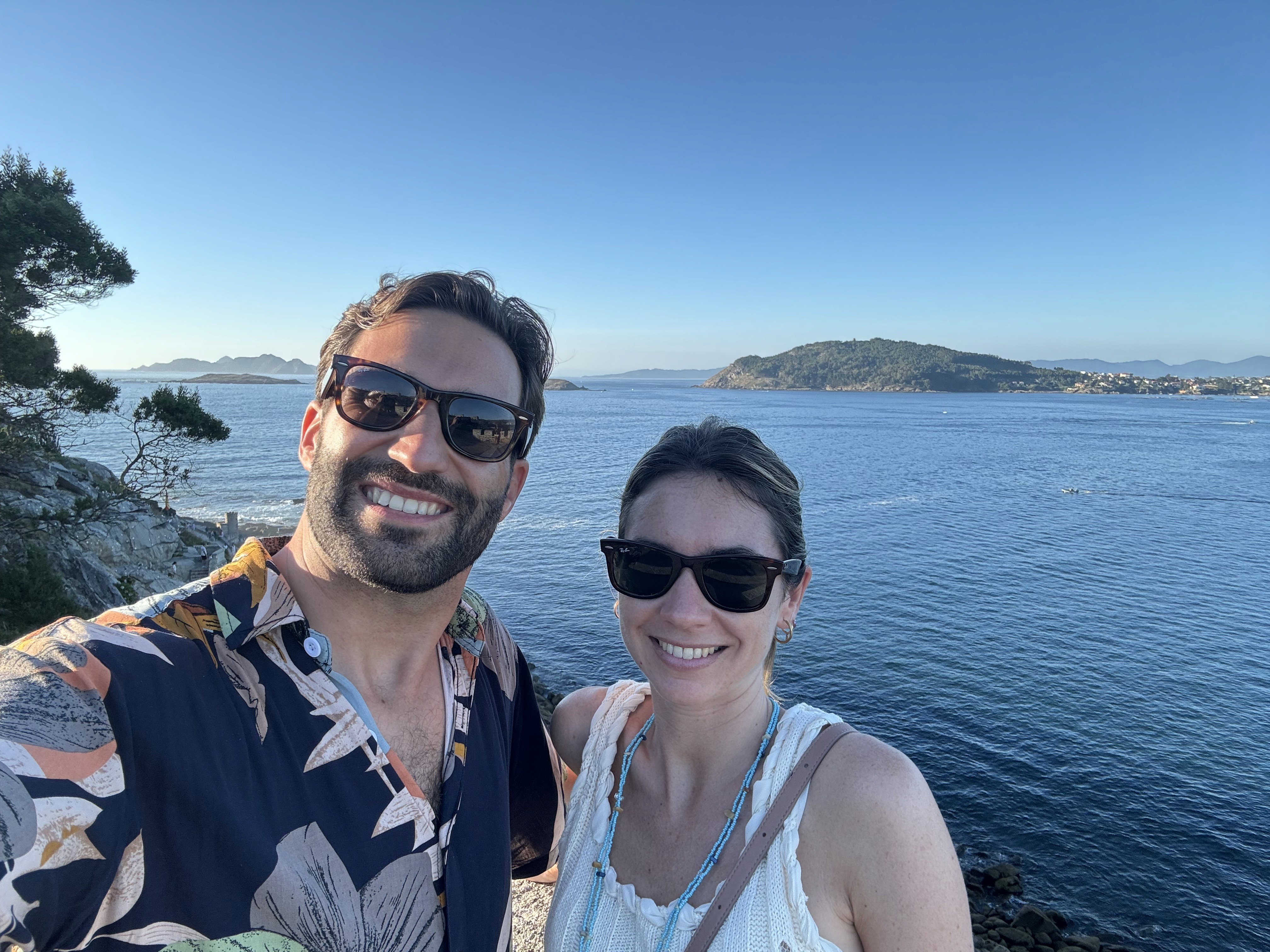
Baiona, Galicia
Baiona, Galicia